
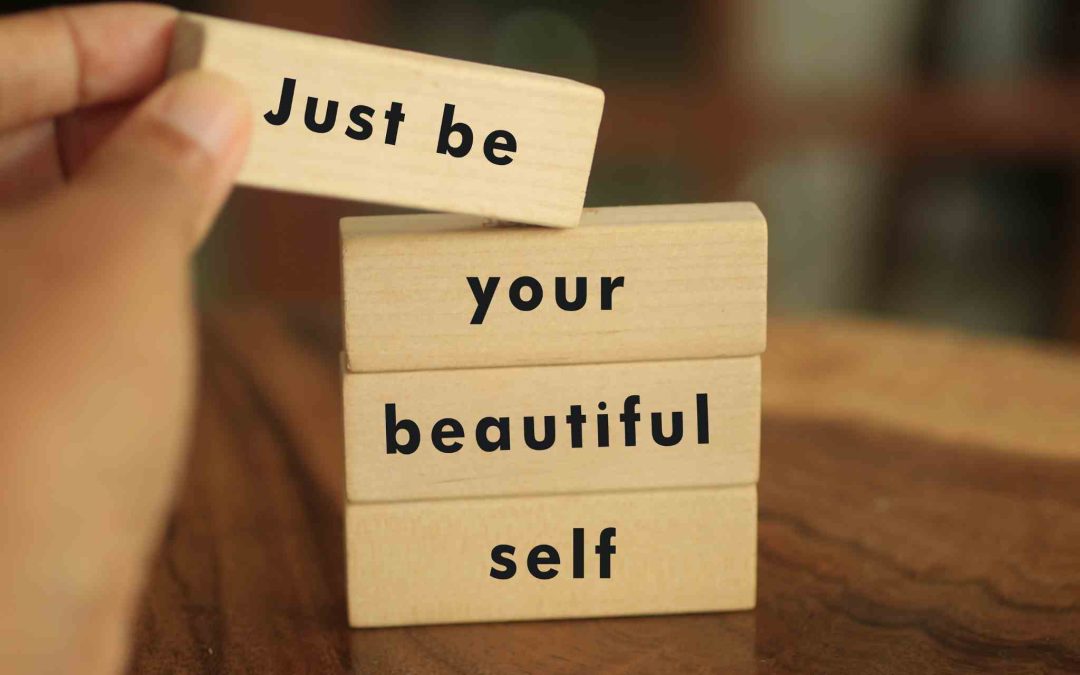
Building a Better Relationship with Myself and Learning to Feel Good Enough!
A practical guide to developing self-esteem, self-worth and self-compassion.
Most of us struggle with our self-esteem at some point in our lives. Even people who appear confident on the surface can experience feelings of inadequacy, self-doubt, insecurity and a noisy inner critic.
So much of my work with clients involves exploring self-worth, and I often hear the question: “So, what do I actually need to do to feel better about myself? How do I learn to love myself?”
If there were a magic recipe, I’d happily give it to you! But the reality is that everyone is different, and what works for one person might not work for another.
Building self-esteem isn’t simply about thinking positively or telling yourself that you’re wonderful. It’s about developing a healthier relationship with yourself, understanding who you are, recognising your worth and gradually learning to treat yourself with the same kindness, compassion and respect that you would offer someone you care about.
There are lots of different ways we can work towards this. Here are some ideas to explore. You don’t need to do everything on this list, and you certainly don’t need to do it all at once. Think of it as a collection of tools and experiments that you can return to whenever you need them.
1. Look after yourself
Our physical and emotional wellbeing are closely connected. Try to make sure you’re looking after your basic needs:
- Eating regularly and nourishing your body.
- Getting enough sleep and allowing yourself to rest.
- Moving your body in ways that you enjoy.
- Spending time outdoors and connecting with nature.
- Being mindful of alcohol and other things that might negatively affect your wellbeing.
Looking after yourself sends an important message: I matter, and my needs are worth taking care of.
2. Find meaning and purpose
Having a sense of meaning and purpose can bring a greater sense of fulfilment and confidence.
Ask yourself:
- What is important to me?
- What are my values?
- Am I living in a way that reflects those values?
- Am I making choices that feel true to who I am?
- What strengths and qualities do I have that I could build upon?
You don’t need to have an extraordinary life or achieve extraordinary things to have purpose. Sometimes it’s about recognising what matters to you and finding ways to bring more of it into your everyday life.
3. Create balance in your life
Are you giving yourself enough time for the different things that matter?
It’s easy to become consumed by work, studying, parenting, responsibilities or looking after other people. But a fulfilling life needs balance.
Think about whether you’re making enough space for:
- Work and responsibilities.
- Relationships and social connections.
- Rest and relaxation.
- Personal interests and hobbies.
- Time for yourself.
Remember that being productive isn’t the same as being worthwhile. You don’t have to earn the right to rest.
4. Make time for enjoyment and self-care
When life becomes busy or difficult, enjoyment is often the first thing we sacrifice.
Make a conscious effort to do things simply because they make you feel good. Have a bath, read a book, meet a friend, go for a walk, watch something funny or spend an afternoon doing absolutely nothing!
Self-care isn’t selfish. It’s an important part of looking after yourself.
5. Build meaningful connections
We are social beings, and our relationships have a huge influence on how we feel about ourselves.
Try to surround yourself with people with whom you can be yourself, who make you feel valued, respected and accepted.
Ask yourself:
- Do I feel comfortable being myself around the people in my life?
- Are my relationships healthy and fulfilling?
- Am I giving more than I’m receiving?
- Am I constantly seeking approval or validation?
- Am I afraid of disappointing people or saying no?
Work towards developing healthy boundaries and recognising that you don’t have to please everyone to be liked or loved.
Healthy relationships should allow you to be yourself, rather than requiring you to continually change who you are to keep other people happy.
6. Understand yourself and your different parts
We all have different parts of ourselves, and sometimes they can have very different things to say!
For example, you might have an inner critic that tells you you’re pathetic, an anxious part that constantly worries about what other people think, or a younger, more vulnerable part that feels abandoned, rejected or unworthy.
Rather than trying to silence or reject these parts, try becoming curious about them.
Ask yourself:
- What is this part of me feeling?
- What is it trying to tell me?
- Where might these beliefs have come from?
- What might this part be trying to protect me from?
- Is there another, kinder perspective I could bring into this situation?
You don’t have to believe everything your thoughts tell you. And you don’t have to identify with every feeling that comes up.
By developing a more compassionate relationship with your different parts, you can gradually create an internal experience that feels more supportive, rather than one in which you’re constantly fighting against yourself.
7. Develop self-compassion
Notice how you speak to yourself, particularly when things go wrong.
Are you critical, judgemental and unforgiving? Do you say things to yourself that you would never dream of saying to somebody else?
Try asking yourself: “What would I say to a friend if they were feeling this way?”
Self-compassion is about learning to respond to yourself with warmth, kindness and understanding.
It doesn’t mean making excuses for your behaviour or avoiding responsibility. You can acknowledge mistakes, learn from them and make changes without attacking yourself in the process.
Remember, you are human. You are allowed to struggle, make mistakes, have difficult emotions and get things wrong.
8. Explore and make peace with your past
Our earlier experiences can have a significant influence on how we see ourselves today.
Sometimes the beliefs we hold about ourselves have been shaped by childhood experiences, difficult relationships, rejection, criticism, trauma or experiences where we didn’t feel valued or accepted.
It can be helpful to explore:
- Where did some of my negative beliefs about myself originate?
- Have I carried these beliefs into adulthood?
- Are there experiences I haven’t fully processed?
- Am I repeating patterns in my relationships?
- Am I holding onto shame or blaming myself for things that weren’t my fault?
Allow yourself to feel and process difficult emotions. Crying isn’t weakness, and strength isn’t the absence of emotion. Sometimes courage means admitting that something hurts, allowing yourself to feel it and giving yourself the space to heal.
You don’t have to forgive everything or everyone to move forward. Sometimes healing is about understanding what happened, grieving what you didn’t receive and recognising that your past doesn’t have to define your future.
Where experiences are particularly painful or traumatic, consider exploring them with the support of a therapist.
9. Understand and embrace your neurodivergence
If you’re neurodivergent, understanding your own brain and nervous system can be an important part of developing self-esteem.
Years of feeling different, misunderstood, criticised or unable to meet certain expectations can have a significant impact on how you see yourself.
Consider:
- Learning more about your own neurotype.
- Understanding your strengths as well as your challenges.
- Recognising the impact of masking and trying to fit in.
- Finding strategies that work with your brain rather than continually fighting against it.
- Learning ways to regulate your nervous system.
- Finding people and environments where you feel accepted for who you are.
Struggling with certain things doesn’t mean you’re inadequate. You might simply need a different approach, different support or a different environment.
10. Challenge the stories you tell yourself
Sometimes we become so accustomed to thinking negatively about ourselves that we stop questioning whether our thoughts are actually true.
Try to develop a little curiosity around your thinking.
Ask yourself:
- Is this thought a fact, or is it an assumption?
- Am I looking at this situation through the lens of past experiences?
- Am I assuming I know what someone else is thinking?
- Am I being harder on myself than I would be on somebody else?
- Is there another way of looking at this?
You don’t have to replace every negative thought with a positive one. Sometimes simply recognising that there might be another perspective is enough to loosen the grip of an unhelpful belief.
11. Learn to trust yourself
Building self-esteem also means developing confidence in your own judgement and decisions.
Start recognising that you are capable of looking after yourself and making choices that are right for you.
This might mean:
- Trusting your instincts when something doesn’t feel right.
- Making decisions without constantly seeking reassurance.
- Recognising when a relationship or situation isn’t healthy.
- Speaking up when your needs aren’t being met.
- Protecting yourself from situations that cause you harm.
- Learning to stand by your decisions, even when other people disagree.
The more you demonstrate to yourself that you can be there for yourself, the more secure you can begin to feel.
12. Stop measuring your worth through other people
It’s very easy to become preoccupied with what other people think of us.
We might worry about whether someone likes us, whether we’ve said the wrong thing, whether we’re good enough or whether we’ve disappointed someone.
But you cannot control how everyone sees you, and you don’t need everybody’s approval to feel good about yourself.
Practise:
- Accepting that not everyone will like you.
- Allowing people to have different opinions.
- Not feeling the need to explain or justify every decision.
- Tolerating the discomfort of disappointing someone.
- Spending less time comparing yourself to others.
- Recognising that someone else’s opinion of you doesn’t determine your worth.
You don’t have to spend your life trying to be the person you think everybody else wants you to be.
13. Do things that challenge your self-doubt
One of the biggest misconceptions about confidence is that we need to feel confident before we do something.
Often, confidence develops because we do something despite feeling nervous or uncertain.
Start small.
Perhaps:
- Try something new.
- Go somewhere independently.
- Speak up when something bothers you.
- Say no when you would normally say yes.
- Take a small risk.
- Do something without asking for reassurance first.
Every time you step outside your comfort zone, you give yourself an opportunity to discover that you are more capable than you might have believed.
Confidence isn’t about never feeling afraid. It’s about learning that you can do things even when fear or self-doubt is present.
14. Recognise your achievements and qualities
People with low self-esteem can be incredibly good at dismissing their achievements and focusing on their shortcomings.
You might achieve something and immediately think, “Anyone could have done that”, or “It wasn’t good enough”.
Start paying more attention to what you do well.
Think about:
- What qualities do I bring to my relationships?
- What am I good at?
- What have I achieved?
- What have I overcome?
- What do other people appreciate about me?
- What do I actually like about myself?
Learn to receive compliments without immediately dismissing them.
And remember that achievements don’t have to be extraordinary. Sometimes getting through a difficult day, asking for help or doing something that previously felt impossible is a significant achievement.
15. Develop grounding and mindfulness tools
When our minds are constantly occupied with the past or worrying about the future, it can be difficult to feel settled in ourselves.
Developing some grounding and mindfulness tools can help calm your nervous system and create a little more space between you and your thoughts.
Experiment with:
- Breathing exercises.
- Mindfulness and meditation.
- Grounding through your senses.
- Gentle movement.
- Spending time in nature.
- Bringing your attention back to the present moment.
Being present allows us to spend less time trapped in things that have already happened or worrying about things that might never happen.
We cannot control everything in life, but we can learn to become more aware of where our attention goes and what we choose to give our energy to.
16. Set small, achievable goals
Setting yourself small goals can help build a sense of achievement and confidence.
Try not to overwhelm yourself with enormous expectations. Break things down into manageable steps and recognise your progress along the way.
One exercise you might like to try is writing down three things each day:
- Three achievements: What have I done today, yesterday, last week, or in my life time, however small?
- Three goals: What would I like to work towards or achieve today – this can be as small as ‘washing up’?
- Three things I’m grateful for: What has brought me some happiness, comfort or appreciation today?
You could also write down three things you like about yourself.
Over time, this can help you become more aware of what you’re doing well, rather than continually focusing on what you think you’re getting wrong.
Remember how much you’ve already survived. Let your past remind you of your resilience.
17. Start journalling
Writing down your thoughts and feelings can be a really helpful way of understanding yourself.
You don’t need to be a good writer, and there are no rules. Just allow yourself to explore what’s going on inside.
You might like to:
- Write about difficult experiences.
- Explore your thoughts and feelings.
- Identify recurring patterns.
- Write down what your different parts are saying.
- Practise responding to your inner critic with compassion.
- Write a letter to your younger self.
- Record things you’re proud of or grateful for.
Sometimes getting our thoughts out of our heads and onto paper can help us see things a little differently.
18. Be creative and make space for joy
Don’t underestimate the importance of doing things simply because you enjoy them.
Visit somewhere new, listen to music, dance, spend time in nature, read for pleasure, draw, paint, write, bake, learn something new or rediscover an old hobby.
Creativity allows us to express ourselves, explore different parts of our identity and experience enjoyment without everything needing to have a purpose.
Don’t let self-doubt imprison the person you were meant to become.
19. Learn to accept yourself as a work in progress
Perhaps one of the most important things you can do is stop expecting yourself to be perfect.
Some people spend so much of their lives trying to fix themselves that they never actually get to enjoy being themselves.
They are continually looking for the next thing to improve, the next flaw to address or the next reason why they aren’t quite good enough.
Try to recognise that you can be a work in progress and still be worthy of love, respect and acceptance.
You can want to change certain things about yourself without rejecting who you are today.
You can acknowledge your weaknesses without overlooking your strengths.
You can make mistakes without deciding that you’re a failure.
And you can have difficult days without believing that you’ve gone backwards.
Self-development isn’t about becoming a perfect version of yourself. It’s about becoming more comfortable with the imperfect person you already are.
A final thought…
Self-awareness and self-acceptance bring empowerment.
Building self-esteem isn’t about becoming somebody else or creating a perfect version of yourself. It’s about gradually changing the way you relate to yourself.
It’s learning to recognise your worth without needing constant external validation. It’s understanding your needs, trusting yourself, developing self-compassion and creating a life that feels meaningful and fulfilling.
You don’t have to be successful, attractive, productive, popular or have everything figured out to be worthy.
You are allowed to be a work in progress.
You are allowed to have difficult days.
You are allowed to get things wrong.
And you are allowed to take up space, have needs, express your feelings and be yourself.
Perhaps the most important relationship you will ever have is the one you have with yourself. So give it some time, patience and compassion.
You don’t have to become someone else to be worthy of love and acceptance. You can start by learning to give some of that love and acceptance to yourself.
At Ra Counselling, I offer a supportive space to explore the experiences, beliefs and patterns that might be affecting how you see yourself. Through developing greater self-awareness, self-compassion and understanding, we can work together towards building confidence, healthier relationships and a more fulfilling life.
Seeking support is not a sign of weakness. It’s an investment in yourself and your future.